By the rivers of Saskatchewan, there we sat down, and wept, not like Babylon, not like Jeremiah, not like the weeping horses of Merlin, just us grassland sods, soiled saints, disappointed hippies, now scattered, like Molson stubbies along prairie highway ditches.
Once, by the bonfires in bush clearings, we danced, doors of the Dodge thrown open to the sacred tracks of Dylan, Zeppelin, waves of longing in the summer grass, reaching into dawn’s amber fog, for something other than the world we’d seen.
Gone, now, our free-love anarchy, gone, our lysergic-tea theology, our backseat Chevy liturgies, gone, our Woodstock ecumenism with its yowling melodramas, owl-courts, and Pilsner decrees.
And now, still, despite the cold colitas, the fallen mission bell, despite the ghosts of echoes down crumbling corridors, those yearnings return, livelier, wiser, shimmering like shoots after a spring rain, to reach up through the ruins of what we were and what we seem, for what we truly are.
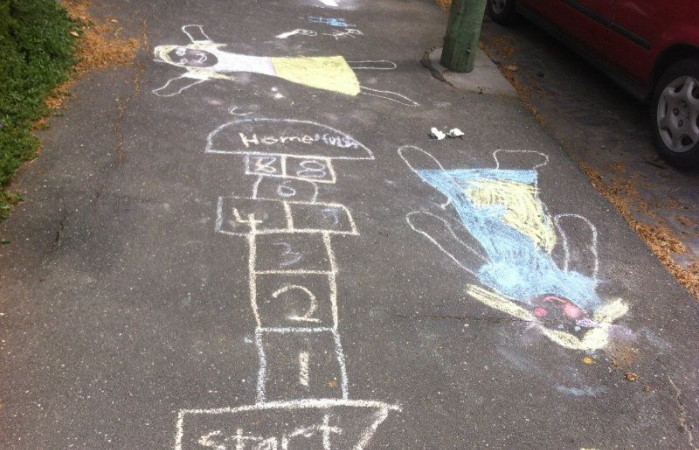
When you come across hopscotch chalk marks, why not skip? Isn’t it obvious why spouses leave spouses for scuba divers?
Why do things laundered, folded, set neatly away in your dresser, begin to make noise in the night, show up in the basement, under the stairs, deranged?
Why do we keep our windows rolled up against the gentleman begging for change? Why call them indigents instead of angels of revelation?
Isn’t it obvious that forgiveness is bad for business?
Why is it the case, that those who cry into a hollow they can’t construe or follow are more merciful and loving than those who crow the name of Christ with bravado.
Why, when the blooming gloom of this, our new dark age, begs the epithetic gene, have we never heard, from the grand guilds of prose and prosody, even in slam, or from any lectern, the perfect curse?
When one considers the blind, or no, the passionate hypocrisy of a significant swath of hail-Bible Christianity, doesn’t logic suggest a Janus-faced God?
But suppose you read that same Bible through the lens of a living Jesus, the one, who while we were busy lynching, was busy forgiving, so making available a kind of love where paranoia with its conspiracies, where resentment with its rivalries, is consumed by heart-rending self-understanding, and life flowers open the invitation to live as forgiven, which is to say, mercifully, and could this be the coming reality of a new “we”? And where would it all end?
Why not approach the barista on your knees? Why not bathe in chrysanthemums? Why not cradle the sunrise? Why not call someone?
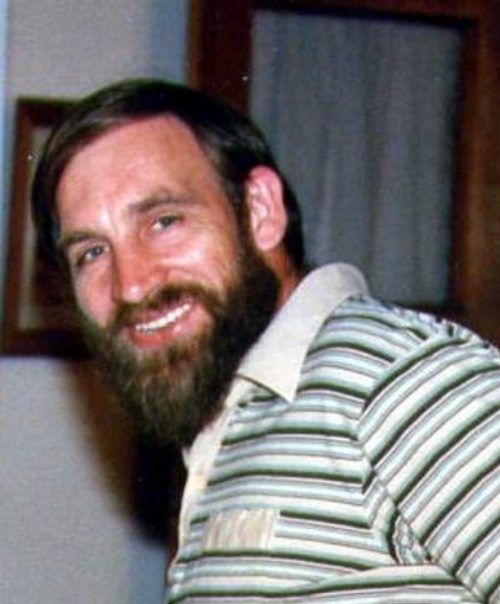
As a kid, summer holidays at my cousins was like living in an episode of Darling Buds of May. Jack (second eldest of nine) taught me the questionable joys of milking cows by hand. How to drive cats mad, then satisfy, with a wavering stream of hot milk straight from the teat. Showed me, although I’d never have the knack, how to strip down an old “junker”, get its last mile, fly up a river hill flat out, spin ‘till the engine choked, ease down without rolling. Taught me what it meant to stack green hay bales until your muscles were hard and your back brown from the sun. Showed me how to spit and split wood. How to get dyed yellow and scratched bloody from rogueing wild mustard and Canada thistle in a 40-acre oat field. How to swim in a muddy river, or swim out beyond a lake shore smothered by algae. How to go through a chunk of summer without shoes. How to snare a weasel, skin a beaver, things that didn’t take, but fascinated me because Jack — tireless, tumble-down-a-hill, fleshed-out-Huck-Finn — did them.
I was there when he played the clown at an auction sale: walking into machinery, rolling in the grass, making me roll with laughter. Finally told to stop because the auctioneer couldn’t keep the crowd.
He had cracked-clay, hardpan patches in his life. He gave up much, lost more. At times, he was taken advantage of, responded without retribution. Had that kind of heart. Had that kind of uncluttered, unencumbered faith.
He never thought to make a mark. Never concerned himself with grand schemes. Was not sophisticated. Fact is, he scoffed at sophistication. Not with words, but by quietly living without our culture’s blinding self-consciousness and preening competitiveness.
It was Paul Ricoeur who wrote about a second naiveté, a spiritual progression from face-value thinking, through critical reflection, to a kind of reengaged innocence. But Ricoeur didn’t know Jack. Jack was born to it. For him, all three were one in the same. Which made him a giving person. The kind Jesus was thinking of when he coined, “salt of the earth.”
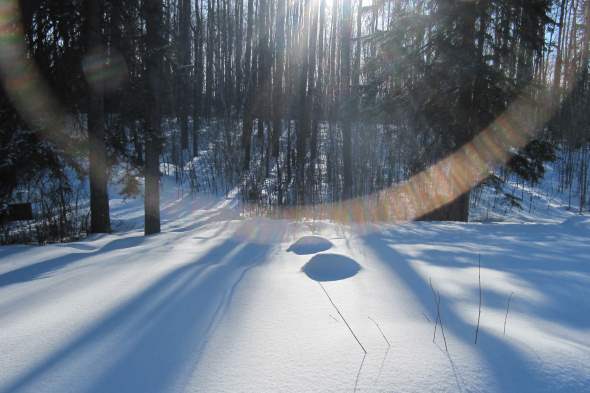
One winter morning after a Saskatchewan snowstorm; radio warned of impassible roads. But there were chores that needed doing. My dad was cautious, said, “Chickens can wait for the snow plow.” But Jack had no qualms. And I was up for the ride.
The farm was four miles from town. We made it three. Smacked through a dozen drifts, hard white waves hitting the hull of the one-ton Ford. Jack, hammering the gas pedal between drifts, but we were slowing with each one, the snow coming higher, flying over the windshield.
The last drift was mean. High and crusted hard. Stopped us like a nail hitting a knot. Killed the engine. Jack looked surprised. Jumped out, started shovelling. Steel grain shovel arching, swinging with rockabilly rhythm and I thought the truck might start moving on its own.
I tried to help. Pulled snow from around the engine. Jack worked the packed blizzard out from under the body, axles, then made a trail through the drifts ahead.
Under the crystals hanging in the distance, he was a dervish blur of snow and steam. I stood watching, freezing in the minus 30, arms hanging, hands going numb, thumbs folded in palms inside my leather mitts.
Jack was back at the truck, grinning, “Lets give her a go.” Then noticed, said, “Your freezing, give me your hands.” He took them both into his. And we stood there, in front of the truck grille. His hands hot, radiating, thawing mine.
The truck kicked to life. He rocked it back and forth. Took a few runs and broke free. And that’s just how he lived. And I’m guessing, how he died.
The last time I talked to Jack (too long ago), I asked him how he was doing. He said, “If I was any happier they’d have to put me away.”
Jack’s affluence was life. Because of that, today, the world proper, is a little poorer.
Friend, you ask me why I still believe, well, it’s this little memory of standing at a frost-laced window in my upstairs bedroom, looking out over a winter morning, how the sun transfigured my village, how the snow, like New Testament raiment, clothed the skeletons of my grandmother’s caraganas, how our neighbours, Harold and Betty, were more truly, Moses and Zipporah, parting the snow on their driveway with silvery shovels; and all my juvenile brooding relented to some far away song, that drew to my lips the name of Christ;
and it’s this small memory, many Sundays ago, mid-morning Eucharist, and I happened to sit by a lady who kept getting lost during the singing, paging through the few sheets of large-print songs provided for her, and I kept helping her find her place, and after the service she leaned over, said, thank you I love you very much;
and now, down these galloping years I hear, still, these melodies deep in the bones of my soul, fanning faith’s embers, through what my heart remembers.